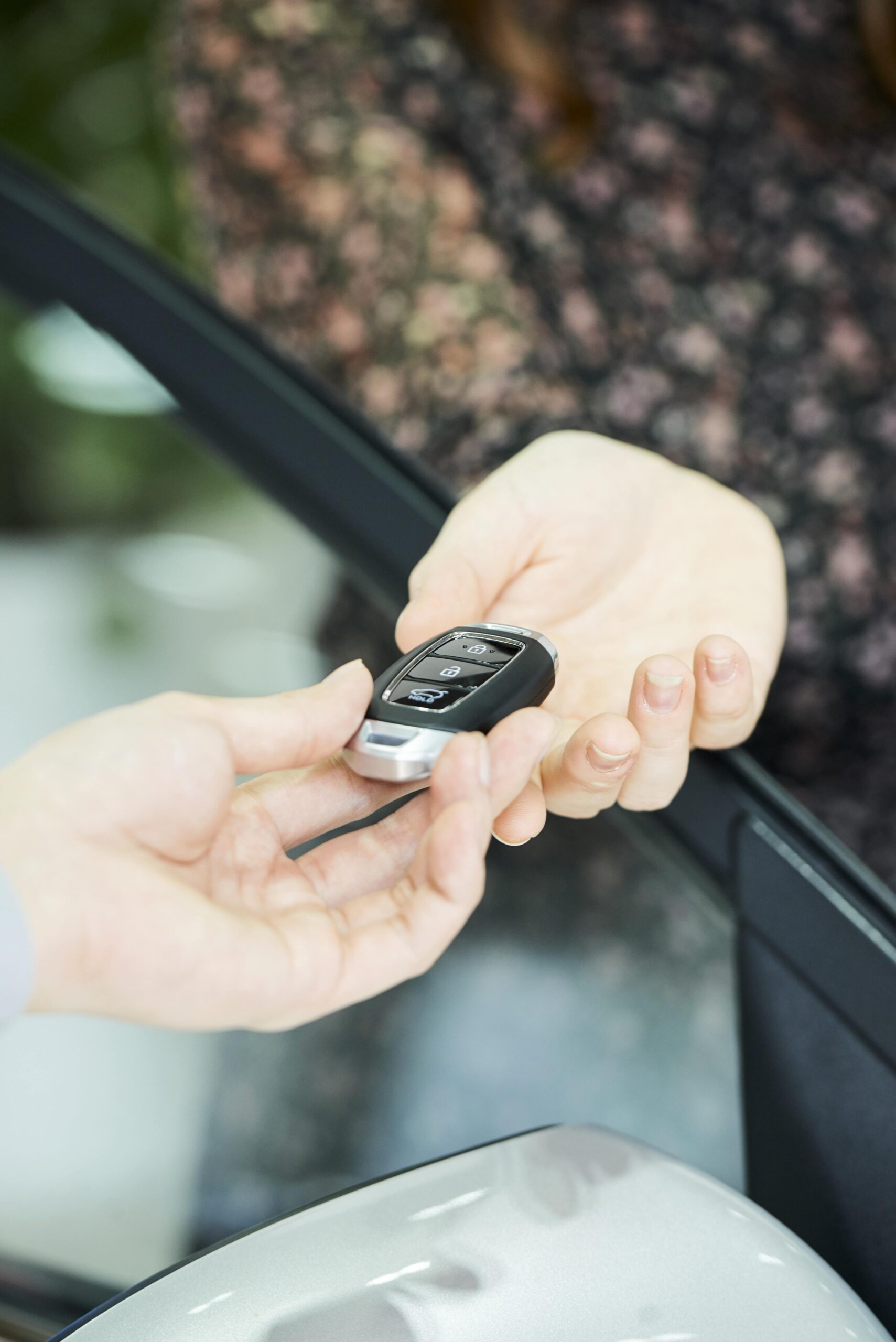

Key Replacement For Cars
Add a review FollowOverview
-
Founded Date November 4, 1907
-
Posted Jobs 0
-
Viewed 12
Company Description
Unexpected Business Strategies Helped Cars Keys Replacement Achieve Success
The Comprehensive Guide to Car Key Replacement: Types, Costs, and Processes
In an age where technology has actually changed nearly every element of our lives, car key replacement is no exception. With the advancement of key chip replacement technology– from standard metal keys to sophisticated smart keys– understanding the choices offered for changing car keys is essential for vehicle owners. This article digs into the various types of car keys, their respective replacement procedures, expenses, and frequently asked concerns that car owners may come across.
Kinds Of Car Keys
Understanding the different types of car keys is important for figuring out the most suitable replacement options. Here are the primary categories of car keys:

| Key Type | Description | Typical Vehicles |
|---|---|---|
| Conventional Keys | Standard metal keys that operate traditional locks. | Older designs, economy cars |
| Transponder Keys | Keys with a chip that communicates with the car’s ignition system for included security. | Most contemporary vehicles |
| Smart Keys | Keyless entry devices that enable keyless ignition and locking/unlocking. | High-end and more recent designs |
| Remote Key Fobs | Portable devices that remotely control car functions, frequently combined with transponder technology. | Wide variety of cars |
| Valet Keys | Simplified keys that enable only restricted access to the car, normally used by a valet attendant. | Lots of models |
Understanding Each Key Type
-
Conventional Keys
- These are one of the most fundamental keys used in older cars. They are generally made from metal and feature no electronic components. Replacement is typically uncomplicated and generally requires a locksmith or dealership.
-
Transponder Keys
- Transponder keys come geared up with a chip that sends a distinct signal to the vehicle’s ignition system. If the key isn’t acknowledged, the vehicle will not begin. Replacing a transponder key typically involves not only cutting a new key but also setting the chip, which can increase both the intricacy and cost of replacement.
-
Smart Keys
- Smart keys use advanced innovation enabling keyless entry and ignition. Rather of placing a key, chauffeurs must have the clever key within proximity to begin their vehicle. Replacing smart keys can be pricey due to the innovation involved.
-
Remote Key Fobs
- These gadgets enable remote locks and other functions like panic buttons or trunk release. Replacement often includes the requirement to integrate the fob with the vehicle’s system, which can be done through a dealership or a locksmith.
-
Valet Keys
- Created for temporary use, these keys generally supply access to just vital functions. The replacement procedure is similar to conventional keys, as they do not include any sophisticated elements.
The Car Key Replacement Process
The process for changing a car key can vary depending upon the key type and the car design. Here’s a basic overview of the actions included:
Step-by-Step Key Replacement Process
-
Identify the Key Type:
- Determine whether the key is a standard, transponder, clever key, or remote fob.
-
Collect Necessary Information:
- Have your Vehicle Identification Number (VIN) and evidence of ownership prepared to facilitate the replacement process.
-
Choose a Replacement Method:
- Dealership: The most reputable technique, but typically the most expensive. Best for smart keys and complicated transponder keys.
- Locksmith professional: A more affordable option if handling conventional or some transponder keys. Look for experts in automotive keys.
- Online Services: Websites exist that offer key cutting and programs services; nevertheless, care is encouraged with possible security risks.
-
Program the Key:
- If appropriate, programs should be carried out to sync the new key with the vehicle’s systems. This can need specific equipment frequently readily available at a dealership or automotive locksmith professional.
-
Test the Key:
- After replacement, test the brand-new key’s performance to guarantee it runs all car features, consisting of ignition and remote functions.
Expenses of Car Key Replacement
The expenses of car key replacements can vary commonly based upon multiple aspects, such as key type, vehicle make and model, and the replacement approach. Below is a breakdown of typical costs connected with numerous key types.
| Key Type | Estimated Cost Range |
|---|---|
| Standard Keys | ₤ 2 – ₤ 10 |
| Transponder Keys | ₤ 50 – ₤ 250 |
| Smart Keys | ₤ 200 – ₤ 600 |
| Remote Key Fobs | ₤ 50 – ₤ 300 |
| Valet Keys | ₤ 5 – ₤ 20 |
Additional Factors Affecting Cost
- Complexity of Programming: The more complex the key technology, the greater the programs charge.
- Location: Prices may differ by region due to differing labor rates and cost of living.
- Emergency Services: Expect to pay more for urgent or emergency locksmith services, specifically outside routine business hours.
Frequently Asked Questions (FAQs)
1. For how long does it require to replace a car key?
The time taken differs based on the kind of key and the replacement method. For conventional keys, it may take just a couple of minutes. For advanced smart keys, it can take longer due to programming.
2. What if I’ve lost my car keys totally?
If you’ve lost all your keys, you may require to contact a dealer for a complete key reprogramming and replacement since they can develop a new key based upon your VIN.
3. Can I still drive my car without a key?
No, you can not. If you’ve lost your key, you’ll need to replace it before you can begin the vehicle once again.
4. Is it possible to set a brand-new key myself?
While it’s possible for some easier keys, a lot of modern keys– specifically transponder and smart keys– need specialized equipment and abilities for appropriate shows.
5. What can I do to prevent losing my type in the future?
- Key Finder Devices: Utilize Bluetooth-enabled key finders.
- Designated Spots: Have a specific place in your home for key storage.
- Regular Checks: Make it a practice to check for your keys when leaving any area.
Replacing a car key is an essential task that every vehicle owner might compete with at some time. By understanding the kinds of car keys, the replacement procedure, and potential expenses, car owners can make educated decisions and minimize downtime when dealing with lost or harmed keys. Whether deciding for a dealer or a locksmith professional, being prepared with the needed details allows for a smooth and effective replacement experience.